Yes — you can dye, bleach, and tone 100% human hair extensions, just like your natural hair. But extensions do not get natural oils from the scalp, so every chemical process dries them out faster and shortens their life. The difference between a beautiful color result and a ruined set is knowing which processes are safe, which to avoid, and how to care for the hair afterward.
This guide covers what you can and cannot do when coloring human hair extensions, and how to do it without destroying your investment.
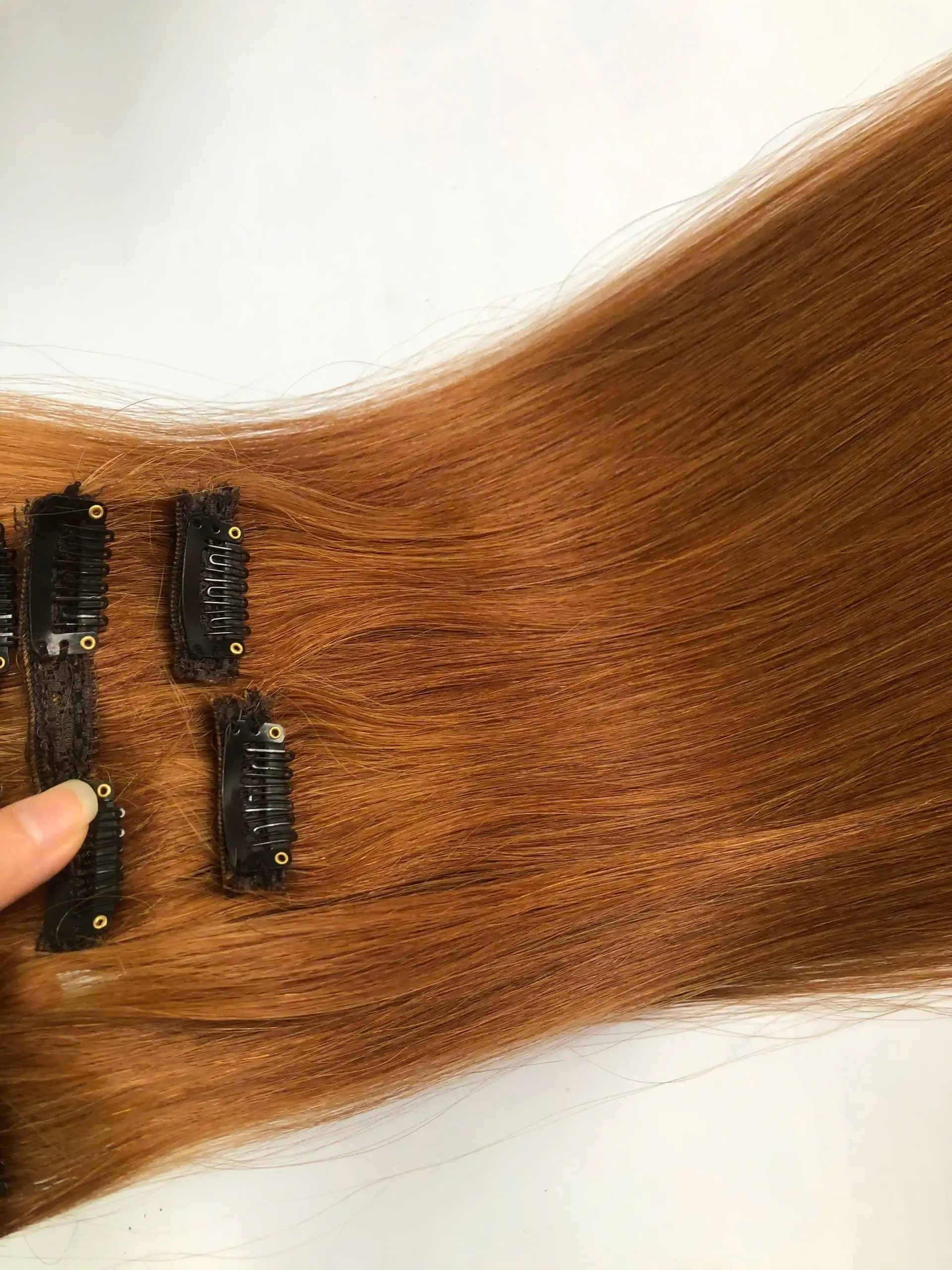
The Golden Rule: Only 100% Human Hair Can Be Colored
Synthetic hair extensions cannot be dyed or bleached — chemical color simply will not take, and bleach will melt the fibers. Before you color anything, confirm your set is 100% human hair. If you bought Remy human hair extensions from a trusted supplier, you are safe to color them.
Virgin hair (never chemically processed) takes color the most predictably. Hair that has already been dyed at the factory can still be colored, but going lighter is much harder, and the result is less predictable.
Dyeing Extensions Darker: The Safest Option
Going darker is the safest color change. Deposit-only color or semi-permanent dye adds pigment without lifting the hair’s natural color, so it causes very little damage.
Tips for going darker:
- Always do a strand test first — color one small weft and check the result before committing the whole set.
- Use a semi-permanent or demi-permanent dye, not permanent, for the least damage.
- Apply color from the mid-lengths to the ends first, then the roots of the weft last, so the color develops evenly.
- Rinse with cool water and follow with a deep conditioner.
One warning: once you dye extensions darker, you cannot easily go back lighter. The color builds up in the hair shaft, and removing it requires bleach — which brings us to the risky part.
Bleaching Extensions: Possible, But Risky
Bleach lifts pigment out of the hair, and it is the most damaging thing you can do to extensions. A single gentle bleaching session on virgin hair is usually fine. Repeated bleaching, or bleaching hair that was already factory-dyed, often leaves extensions dry, stretchy, and prone to breakage.
If you must bleach:
- Never bleach above 20 volume developer on extensions. Higher volumes work faster but destroy the hair.
- Bleach in stages — lift one or two levels at a time, with a deep conditioning treatment between sessions, instead of forcing a big lift in one go.
- Keep bleach away from the bonds, tape, clips, and weft stitching. Bleach weakens adhesives and stitching.
- Do not bleach the same set more than once or twice in its lifetime.
For a big transformation — for example, dark brown to platinum blonde — it is cheaper in the long run to buy extensions already in the lighter color than to bleach a dark set and replace it three months later.
Toning: The Finishing Touch
Toning is a gentle, deposit-only process that neutralizes unwanted undertones after bleaching — purple toner cancels yellow, blue toner cancels orange. Toner is far less damaging than bleach and is the normal second step after any lightening.
Use a purple or blue shampoo once a week to maintain the tone between salon visits. Do not overuse toning shampoos — they are drying, and extensions need moisture more than anything else.
What You Cannot Do
| Process | Human hair | Synthetic hair |
|---|---|---|
| Dye darker | Yes — safest option | No — color will not take |
| Bleach lighter | Yes — with care, low volume only | No — fibers melt |
| Tone | Yes — gentle, deposit-only | No |
| Heat styling | Yes — with heat protectant | Mostly no |
Never use box dye with metallic salts (often found in very cheap dyes) on extensions — the reaction with bleach later can severely damage the hair. And never color extensions while they are installed in tape-ins or keratin bonds without protecting the attachment points.
Aftercare for Colored Extensions
Colored extensions need more moisture than uncolored ones. Switch to a sulfate-free, color-safe shampoo and a hydrating conditioner. Wash less often — every wash fades color and dries the hair further.
Use a leave-in conditioner or hair oil on the ends after every wash. Avoid chlorine and salt water, or rinse immediately after swimming. And use a heat protectant every single time you apply heat — colored hair burns faster than virgin hair.
FAQ
Can I dye my extensions the same color as my natural hair? Yes — take one weft to your colorist so they can match the formula exactly. Dyeing extensions at home to match your hair is the most common reason for a color mismatch.
How many times can I dye human hair extensions? A good set handles 2 to 3 gentle color processes in its lifetime. Each one shortens the life of the hair, so plan your color before you buy when possible.
Can I bleach extensions that were already dyed? Technically yes, but the result is unpredictable and the damage is severe. Color remover followed by a gentle bleach is safer than bleach alone, and a strand test is essential.
Should I color extensions before or after installing them? Before, whenever possible. Coloring loose wefts is easier, more even, and keeps chemicals away from bonds, tape, and your scalp.
Conclusion
Human hair extensions can be dyed, bleached, and toned — going darker is safe, toning is gentle, and bleaching works only with low-volume developer, patience, and serious aftercare. Synthetic hair cannot be colored at all. The smartest move is to buy extensions as close as possible to your target color, so coloring is a small adjustment instead of a rescue mission.
Starting from virgin hair gives you the most coloring freedom. Explore our Bulk Hair — 100% Remy Vietnamese human hair in natural colors, ready to dye, bleach, or tone to your exact shade, available wholesale for salons and retailers worldwide.