
Matted hair extensions are every wearer’s worst nightmare. One morning your hair feels silky and smooth; the next, you find a knot at the nape of your neck that only gets tighter when you touch it. The good news: most matting can be fixed at home — and prevented with the right habits.
Here is why human hair extensions mat, how to fix them step by step without breakage, and the habits that keep them tangle-free for months.
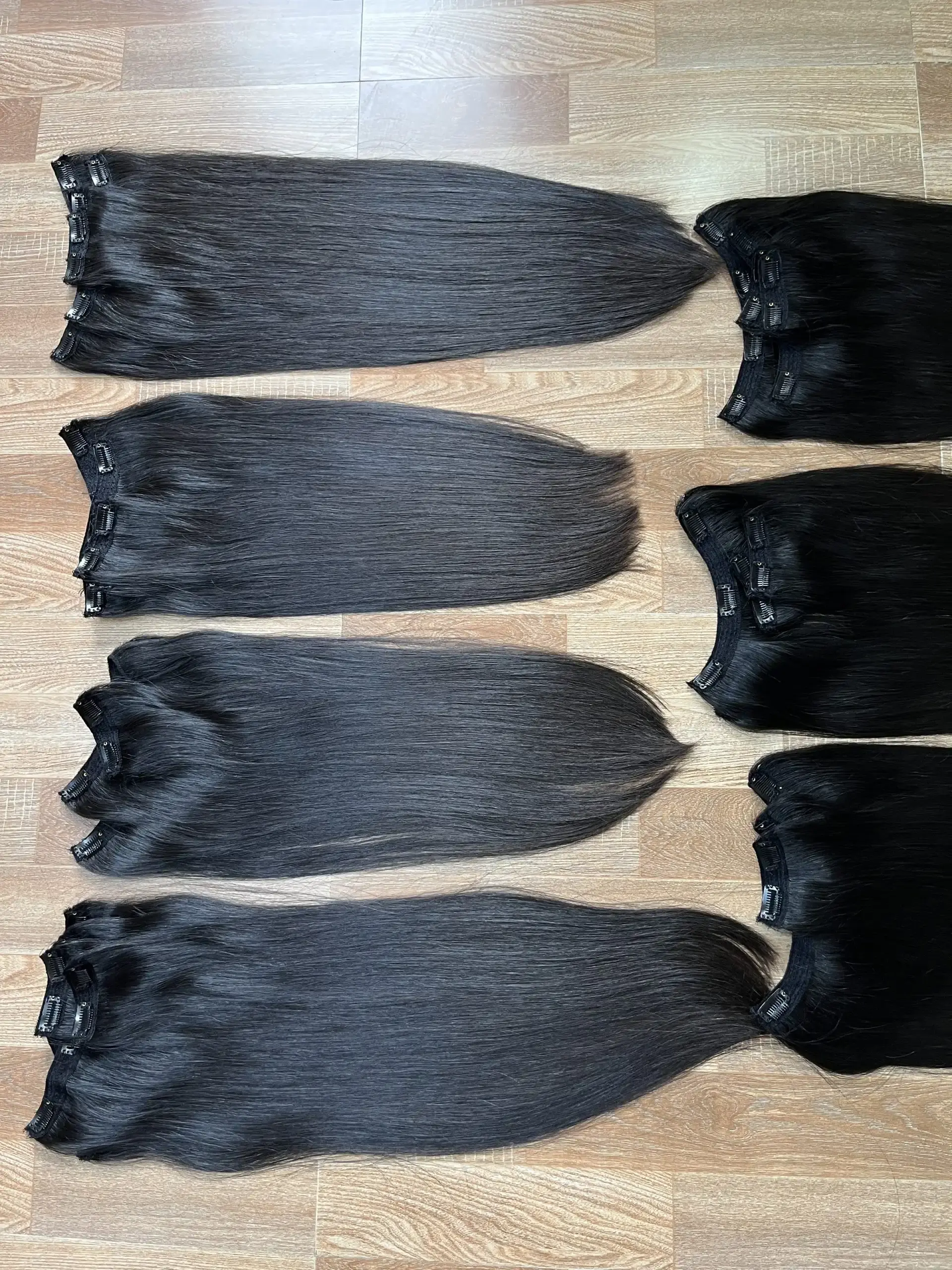
Why Do Hair Extensions Get Matted?
Matting happens when strands tangle and lock into a dense knot. It usually starts small and builds up over days if it is not brushed out. The most common causes:
- Friction at the nape. Hair rubbing against collars, scarves, seatbelts and pillowcases is the number one cause, especially for longer lengths.
- Infrequent brushing. Extensions receive no natural oils from your scalp, so without regular brushing the strands dry out and catch on each other.
- Product build-up. Heavy silicones, dry shampoo and styling products coat the hair and make strands stick together.
- Swimming and sweating. Chlorine, salt water and sweat dry the hair out and encourage tangling — see our guide on swimming with hair extensions for the full aftercare routine.
- Sleeping with loose, wet hair. Wet hair is at its most fragile, and tossing and turning overnight can turn a small tangle into a solid mat.
- Low-quality or mixed hair. Non-Remy hair, where cuticles run in different directions, tangles far more easily than 100% Remy human hair.
What You Will Need
Before you start, gather the right tools — pulling a mat apart with bare fingers or a fine-tooth comb only makes it worse and can snap the hair. You need a wide-tooth comb or loop brush, detangling spray or leave-in conditioner, a little lightweight hair oil (argan or jojoba), sectioning clips — and patience.
How to Fix Matted Hair Extensions: Step by Step
Step 1: Work on Dry Hair (or Lightly Dampened Hair)
Never detangle soaking wet hair — it stretches and breaks easily. If the mat feels very dry and stiff, mist it lightly with water mixed with a little leave-in conditioner so the strands turn slippery, not wet.
Step 2: Apply Detangler and Oil Generously
Saturate the matted area with detangling spray, smooth a few drops of lightweight oil over the outside of the knot, and let it sit for 5–10 minutes. The product softens the hair and gives the strands the slip they need to separate.
Step 3: Separate the Mat With Your Fingers First
Hold the hair firmly above the mat with one hand so you do not pull on the bonds or wefts. With the other hand, gently tease the outer edges apart with your fingers, working from the outside in and freeing small strands one at a time. Slow work, but the safest way to save the hair.
Step 4: Comb From the Bottom Up
Once the mat has loosened, take your wide-tooth comb and start at the very bottom, working upward in short strokes. Hold the hair above the section you are combing so the tension stays on your hand, not the attachment point. Meet resistance? Go back to your fingers and add more detangler.
Step 5: Wash, Condition and Dry
Once the mat is out, wash with a sulfate-free shampoo, then a deep conditioner or mask. Unsure how often to wash? Our guide on how often to wash human hair extensions covers the right schedule for each extension type. Air-dry or blow-dry on low heat, then brush from roots to ends — and check the nape and behind your ears, where new mats start.
When Is a Mat Beyond Saving?
Most mats can be rescued, but a few are not worth the effort. Cut the mat out — carefully, with thinning shears, a little at a time — if the knot is rock-hard and will not loosen after 20–30 minutes of patient work, the hair inside feels dry and brittle even after conditioning, or broken strands run throughout the knot.
Cutting a small section is far better than ripping the whole mat out. If the matting sits at the attachment point of tape-ins or keratin bonds, visit your stylist rather than cutting near the bonds yourself.
| Matting problem | Quick fix | Prevention |
|---|---|---|
| Small knot at the nape | Finger-detangle with oil, then comb | Braid loosely before bed |
| Large mat after swimming | Soak in conditioner, detangle in sections | Rinse with fresh water after swimming |
| Sticky, product-coated tangle | Clarifying wash, then deep condition | Lightweight products; avoid heavy silicones |
How to Prevent Matting in the First Place
Prevention is easier than repair — five habits make the biggest difference:
- Brush twice a day. Morning and before bed, starting from the ends and working upward. A loop brush or soft boar-bristle brush works best — see our guide on how to detangle hair extensions without breakage.
- Braid your hair before bed. A loose braid or low ponytail stops the hair from rubbing against your pillow all night; a silk or satin pillowcase helps even more.
- Keep hair dry before sleeping. Never go to bed with wet extensions — dry them fully first, then braid.
- Rinse after swimming or sweating. A quick fresh-water rinse and a little leave-in conditioner after every swim saves hours of detangling later.
- Use the right products. Sulfate-free shampoo, a good conditioner and a light leave-in spray keep the cuticle smooth; avoid heavy oils and waxes near the bonds.
Choosing Hair That Resists Matting
Extensions made from 100% Remy human hair, with all cuticles aligned in the same direction, tangle far less than mixed or non-Remy hair. If you are building salon stock or choosing your next set, take a look at Sandary’s keratin hair extensions (I, U, V and Flat tips) — lengths 8 to 32 inches, custom colors, wholesale pricing for salons and resellers.
Frequently Asked Questions
Can matted hair extensions be saved?
Yes, in most cases. Work patiently with detangler, oil and your fingers, combing from the bottom up. Only rock-hard, brittle mats full of broken strands need cutting out.
Should I brush matted extensions when they are wet?
No. Wet hair is weaker and stretches, so brushing a wet mat causes breakage. Work on dry or lightly dampened hair with plenty of detangling spray.
How do I stop my extensions from matting overnight?
Dry your hair completely, brush it through, and put it in a loose braid or low ponytail before bed. A silk or satin pillowcase also cuts friction.
Conclusion
Matted hair extensions feel like a disaster, but they are almost always fixable — and preventable. Work in small sections, be patient, and keep up the daily brushing and braiding habits that stop mats from forming.
If your current set is beyond saving, or you are ready to upgrade to hair that tangles less and lasts longer, explore our keratin hair extensions and message the team on WhatsApp at +84961898648 for wholesale prices and custom colors.