How often should you wash human hair extensions? It is one of the first questions every extension wearer asks — and one of the most misunderstood. Wash them too often and you strip away moisture, loosen bonds, and shorten their lifespan. Wash them too rarely and product buildup, sweat, and oil leave them dull, heavy, and tangled.
The honest answer is: it depends on the type of extensions you wear, how you style them, and how active your lifestyle is. In this guide, we break down the ideal washing frequency for every extension type, the signs that tell you wash day has arrived, and the mistakes that quietly damage your hair.
Why Washing Frequency Matters
Unlike the hair growing from your scalp, extensions do not receive natural oils from your sebaceous glands. Every wash removes a little moisture that is never fully replaced. Over-washing is the fastest way to turn soft, glossy Remy hair dry and frizzy.
On the other hand, skipping washes for too long lets styling products, sweat, and environmental dirt build up on the strands. That buildup weighs the hair down, makes it tangle more easily, and can even irritate your scalp around the attachment points.
Finding the right balance protects your investment. High-quality 100% human hair extensions can last 12 months or longer with the right care — but the wrong washing routine can cut that lifespan in half.
How Often to Wash by Extension Type
Different attachment methods have different rules. Use the table below as your starting point, then adjust for your own routine.
| Extension Type | Recommended Frequency | Notes |
|---|---|---|
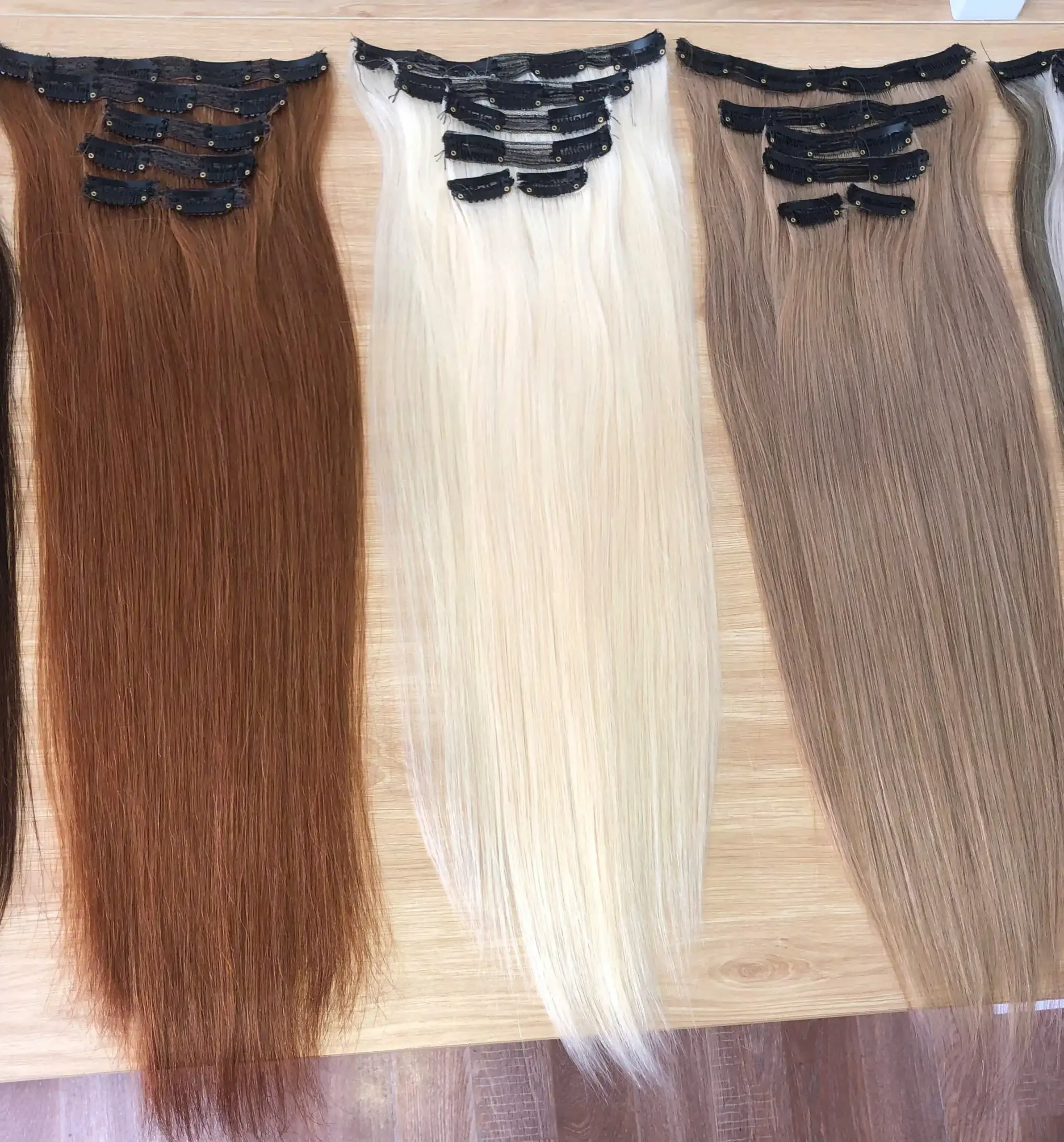
| Clip-in extensions | After every 6–8 wears | Remove before washing; wash only when they look or feel dirty |
| Tape-in extensions | Every 2–3 days | Keep shampoo away from the tape bonds; wash in a downward motion |
| Keratin / I-tip extensions | Every 2–3 days | Avoid conditioner and oils near the bonds |
| Weft / sew-in extensions | Every 3–4 days | Dry the wefts and braids fully to prevent mildew |
| Wigs and toppers | After every 8–10 wears | Wash in cool water; air-dry on a stand |
Clip-in extensions need the least washing because they spend most of their time off your head. Permanent methods like tape-ins and sew-ins are washed along with your natural hair, so they need a gentler, less frequent routine than most people expect.
Signs It Is Time to Wash Your Extensions
Instead of washing on a fixed calendar, learn to read the signs your hair gives you:
- The hair looks dull or feels coated. Styling products and hard water leave a film that no amount of brushing will fix.
- It tangles more than usual. Buildup increases friction between strands, which leads to matting — especially at the nape of the neck.
- It smells stale. Sweat, smoke, and cooking odours cling to hair. If your extensions smell less than fresh, wash day has arrived.
- Your scalp feels itchy or oily. For permanent extensions, scalp comfort is the real clock. An irritated scalp needs a gentle wash, not another day of waiting.
- Styling stops holding. When curls drop within an hour or your straight style goes limp, product buildup is usually the cause.
If none of these signs are present, your extensions probably do not need a wash yet — even if a week has passed.
What Affects How Often You Should Wash
Your lifestyle. Daily workouts, swimming, or working in a hot, humid environment mean more sweat and more frequent washing. If you swim regularly, read our guide to swimming with hair extensions for chlorine and salt-water aftercare.
Your styling habits. Heavy use of hairspray, dry shampoo, and heat styling tools means faster buildup. Heat protectant and lightweight products extend the time between washes.
Your hair type. Fine, straight extensions show oil sooner than thick, curly textures. Curly and wavy extensions can often go longer between washes because their texture hides oil and holds style well.
Your climate. Humid, tropical weather makes hair sweat and frizz faster, while dry, cold air is more forgiving. Adjust your routine with the seasons.
How to Wash Less Often — Without Dirty Hair
Stretching the time between washes is a skill, and it starts with good habits:
- Brush daily with a soft-bristle or loop brush. Brushing distributes natural oils and prevents the tangles that make hair look dirty.
- Use dry shampoo sparingly. A light dusting at the roots absorbs oil, but too much dry shampoo is itself buildup. Use it once between washes at most.
- Sleep on a silk pillowcase and braid your hair loosely. Less friction overnight means less frizz and fewer tangles in the morning.
- Rinse with water only after workouts. A plain water rinse removes sweat without stripping moisture the way a full shampoo does.
- Keep products away from the bonds. Conditioner, oils, and masks belong on the mid-lengths and ends — never on tape, keratin bonds, or weft stitching.
For the step-by-step washing method for each type, see our guides on how to wash tape-in hair extensions and how to wash clip-in hair extensions properly.
Mistakes That Damage Extensions at Wash Time
Washing every day. The single most common mistake. Daily washing strips moisture and loosens bonds far faster than any other habit.
Scrubbing in circles. Rubbing hair in circular motions creates tangles and stresses the attachment points. Always wash in a downward motion, from roots to ends.
Using sulphate shampoos. Sulphates are harsh cleansers that dry out human hair extensions. Choose a sulphate-free, extension-safe shampoo.
Skipping conditioner on the lengths. Shampoo cleans; conditioner protects. Apply conditioner from mid-length to ends at every wash, and use a deep-conditioning mask once a week.
Going to bed with wet extensions. Wet hair is fragile hair. Sleeping on damp extensions causes matting that can be almost impossible to remove.
FAQ
Can I wash my hair extensions every day?
You can, but you should not. Daily washing dries out human hair extensions, fades colour faster, and weakens tape and keratin bonds. Most wearers do best washing every 2–3 days for permanent extensions, and far less often for clip-ins.
How do I know if I am over-washing my extensions?
The signs are dry, straw-like ends, colour fading quickly, frizz that will not smooth down, and bonds slipping sooner than expected. If you see these signs, cut back to washing twice a week and add a weekly deep-conditioning mask.
Should I wash new extensions before the first wear?
Yes. A gentle first wash with a sulphate-free shampoo removes factory residue and any styling products applied during processing. Condition the lengths, air-dry, and your extensions will feel softer and more natural from day one.
Does washing frequency affect how long extensions last?
Absolutely. Over-washing is one of the top reasons extensions wear out early. With the right washing schedule, high-quality 100% Remy human hair extensions can last 12 months or more. Wash them too often, and you may need a replacement in half that time.
Conclusion
How often should you wash human hair extensions? For most wearers, the answer is every 2–3 days for permanent extensions and only after every 6–8 wears for clip-ins. Let your hair — not the calendar — decide: wash when it looks dull, feels coated, tangles easily, or smells less than fresh, and skip the wash when it still looks and feels good.
Pair a sensible washing schedule with a sulphate-free shampoo, a weekly deep-conditioning mask, and gentle handling, and your extensions will stay soft, glossy, and tangle-free for months longer.
Ready to upgrade your hair? Explore our 100% Remy Vietnamese bulk hair — premium raw hair in lengths from 8″ to 32″, available for salons and wholesale buyers worldwide, with fast international shipping from our Hanoi factory.