Summer holidays, pool parties, beach days — sooner or later, every extension wearer asks: can I swim with my hair extensions in? The short answer is yes, if your extensions are 100% human hair. The longer answer is that chlorine and salt water are two of the harshest things your extensions will ever meet, and swimming without a plan is the fastest way to turn soft, silky hair into a dry, tangled mess.
A few simple habits before and after you swim protect your investment almost completely. Here is what pool and ocean water do to extensions, how to prepare, and the aftercare that keeps them looking new all summer.
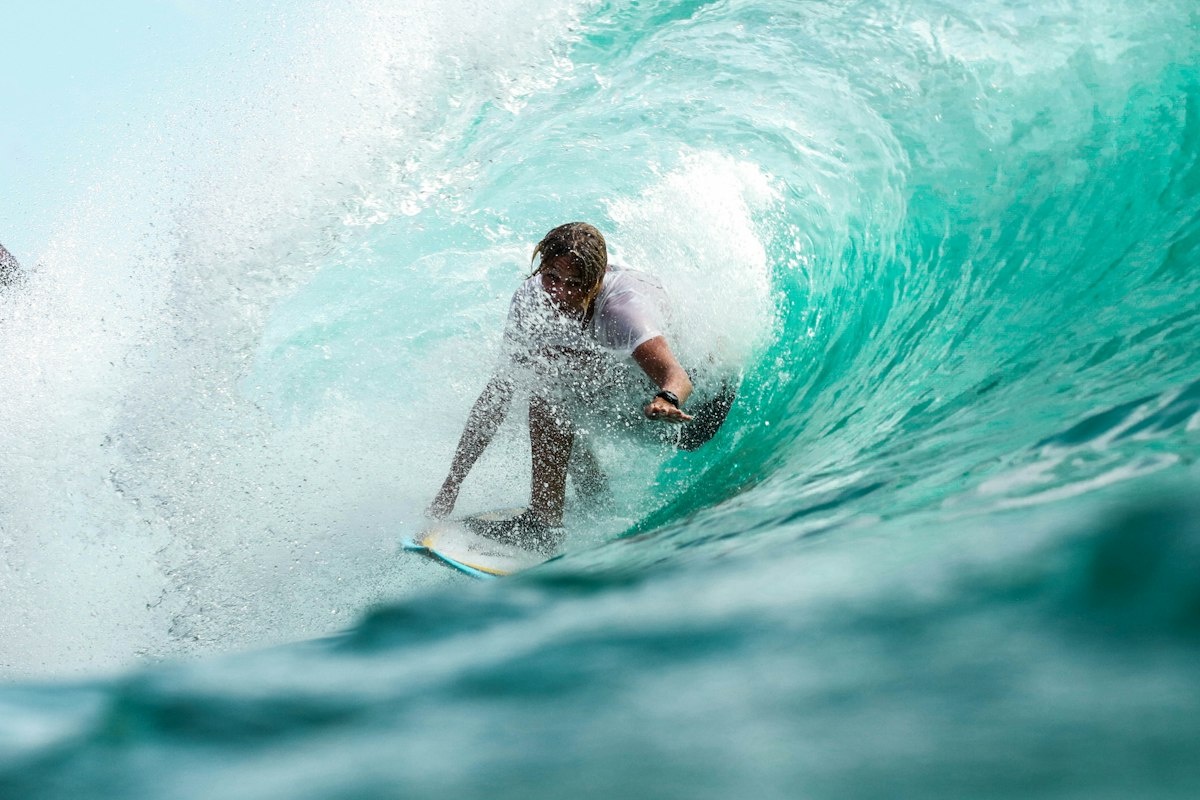
Can You Swim With Hair Extensions?
Yes — 100% human hair extensions behave like your own hair in water. What they cannot do is protect themselves: unlike the hair growing from your scalp, extensions receive no natural oils, so every swim strips moisture that nothing replaces automatically.
One exception: clip-ins should always come out before you swim — they take seconds to remove, and a clip slipping loose in a pool is embarrassing at best. Tape-in, weft, keratin-bond and other semi-permanent methods stay in, and that is what this guide is for.
Sew-in wefts are one of the most swim-friendly options, because the hair is securely stitched in and easy to wash and dry afterwards — see our weft hair extensions.
What Chlorine Does to Human Hair Extensions
Chlorine is the bigger enemy. Pool water is treated with chlorine to kill bacteria, and that same chemical attacks the hair shaft in four ways:
- Dryness. Chlorine strips natural oils from the hair, leaving it rough, straw-like and hard to comb.
- Colour change. Blonde and lightened hair can pick up a green tint, especially ash or platinum shades; darker hair fades and turns brassy faster.
- Tangling. Once the cuticle is roughened, strands catch on each other — wet, chlorinated hair tangles far more easily than dry hair.
- Weakened bonds. Repeated exposure can loosen tape adhesive and soften keratin bonds, shortening the life of your install.
None of this means avoiding pools entirely. It means never swimming with dry, unprotected extensions — thirsty, dry hair soaks up chlorinated water like a sponge.
Salt Water: Better Than Chlorine, But Not Harmless
Ocean water carries no chlorine, so it will not turn blonde hair green or attack bonds as aggressively — many people even like the fuller texture salt adds. The problem is dehydration: salt draws moisture out of the hair shaft, and sea water evaporates in the sun, leaving salt crystals behind that make the hair stiff, gritty and prone to breakage. Add wind, sun and sand, and a beach day can leave extensions just as tangled as a pool session. Salt water is the lesser evil — but it still needs the same aftercare.
Pool vs Ocean vs Lake: A Quick Comparison
| Water | Main risk | Colour risk | Bond risk |
|---|---|---|---|
| Chlorinated pool | Severe dryness, cuticle damage | High — green tint on blonde | High — tape and keratin weaken |
| Ocean / salt water | Dehydration, salt crystals, tangling | Low — mainly fading in sun | Low to medium |
| Lake / river | Bacteria, minerals, debris | Low | Low |
Lake and river water is usually the kindest, but it can carry bacteria and fine sediment. Whatever water you swim in, the rule is the same: rinse it out the same day.
Before You Swim: A 5-Minute Protection Routine
Preparation takes five minutes and prevents most of the damage:
- Wet your hair with clean water first. Hair already saturated with fresh water absorbs far less pool or sea water.
- Apply leave-in conditioner or hair oil. Coat the lengths — never the bonds or tape tabs — to slow down chlorine and salt absorption.
- Braid your hair loosely. A loose braid or low bun stops the hair whipping around in the water, which is how most swim tangles start.
- Wear a swim cap if you can. A silicone swim cap is the single most effective protection there is — even a loose-fitting one keeps most of the water out.
- Keep your head above water when possible. If you are paddling rather than doing laps, simply not dunking your hair makes the biggest difference.
After Swimming: The Aftercare Routine
What you do in the hour after swimming matters most. Do not let chlorinated or salty hair dry on its own — that is when the real damage sets in.
Rinse with fresh water as soon as you get out, then wash with a sulfate-free shampoo: lukewarm water, no scrubbing at the bonds, shampoo smoothed down the lengths. Our guide on how to wash tape-in hair extensions walks through it step by step.
Follow with a deep conditioner or hair mask for five to ten minutes, then rinse with cool water. Squeeze out excess water with a towel — never rub — and detangle from the ends upward with a wide-tooth comb while the hair is still damp. Our detangling guide shows how to work through post-swim knots without breakage. Let the hair air-dry if you can, and never go to bed with damp extensions — wet hair left overnight is a recipe for matting, as explained in our guide on how to sleep with hair extensions.
Which Extension Types Handle Swimming Best?
Not all methods cope with water equally. Sew-in wefts are among the most swim-friendly: the hair is stitched securely to a braid, there is no glue or tape to dissolve, and the weft can be washed and dried thoroughly. Clip-ins are the easiest — simply remove them before swimming.
Tape-ins are fine for occasional swimming if you keep the tabs dry, but frequent pool sessions can loosen the adhesive. Keratin bonds hold up well if you avoid soaking them for long periods and keep conditioner away from the bonds.
If you swim several times a week, ask your stylist about sew-in wefts. Sandary’s 100% human hair weft extensions come in lengths from 8 to 32 inches — a solid choice for active swimmers and salons that want durable, reusable hair.
Frequently Asked Questions
Can chlorine turn my extensions green?
Yes, especially blonde, ash or heavily lightened hair. Chlorine oxidises the copper in most pool water, and that copper binds to light hair. A swim cap and a pre-swim rinse prevent it, and a clarifying wash plus a purple toning treatment usually removes a light green tint.
How soon after getting extensions can I swim?
Wait at least 48 hours after a fresh install — tape adhesive and keratin bonds need time to set fully. After that window, swimming is fine with the protection routine above.
Do I need to wash my extensions after every swim?
Yes. Even a short dip leaves chlorine or salt residue in the hair. A quick rinse is the minimum; a proper sulfate-free wash is better. Letting residue dry in the hair is what causes most swim-related damage.
Conclusion
Swimming with hair extensions is not something to fear — it is something to prepare for. Wet your hair with clean water first, coat the lengths with leave-in conditioner, braid it up, then rinse and wash the same day, and your extensions will survive the whole summer looking almost as good as new.
If you swim often, choose a method built for it. Sandary’s Vietnamese weft hair extensions are 100% human Remy hair, available wholesale for salons in lengths from 8 to 32 inches. Contact us on WhatsApp at +84961898648 for wholesale pricing and colour matching.
Pingback: How Often Should You Wash Human Hair Extensions?
Pingback: How To Fix Matted Hair Extensions (And Prevent It)